GWexpy Documentation
GWexpy extends GWpy with new containers and numerical utilities for time-series and frequency-series data analysis.
v0.1.8 · Python ≥ 3.11 · Last updated: Jul 05, 2026
Quick installation
git clone https://github.com/tatsuki-washimi/gwexpy.git
 cd gwexpy
 python -m pip install -e .
3-line demo
from gwexpy.frequencyseries import FrequencySeriesMatrix
 fsmtx = FrequencySeriesMatrix.read("data.hdf5")
 fsmtx[2, 0].fit(model="lorentzian").plot()
Note
Page Role: Documentation Landing Page
Audience: First-time users, GWpy analysts, and developers looking for integrated workflows.
Search Hints: quickstart, installation, tutorials, examples, ScalarField, TimeSeriesMatrix
🚀 Quick Start (Learn the basics in 5 minutes)
Note
Found a bug or want to request a feature? Use the lightweight feedback form. For security reports, do not use this form; follow the repository security policy.
Select your guide
Note
Tutorials are feature-oriented paths for learning individual classes or capabilities. Case Studies are workflow-oriented examples combining multiple features for practical analysis.
Foundation
Installation Guide
Feature-oriented Tutorials
Applications
Goal-oriented Case Studies
Advanced Signal Processing
Interoperability
Migration recipes
Added API index
Browse by category
Load, plot, and filter time-series data.
STFT, Q-scans, and time-frequency maps.
ScalarField / VectorField / TensorField logic.
Decompose and visualize noise contributions.
GLS, Bayesian fitting, and MCMC sampling.
Feature extraction and scikit-learn integration.
HDF5 / GBD / Frame / Zarr support.
Core Strengths
ObsPy / LAL / Finesse / PyCBC tools.
Core Strengths
Vectorized processing for TimeSeriesMatrix. TimeSeriesMatrix / FrequencySeriesMatrix batch processing.
Visual Examples
These cards are a short preview of the canonical goal-oriented case-study gallery.
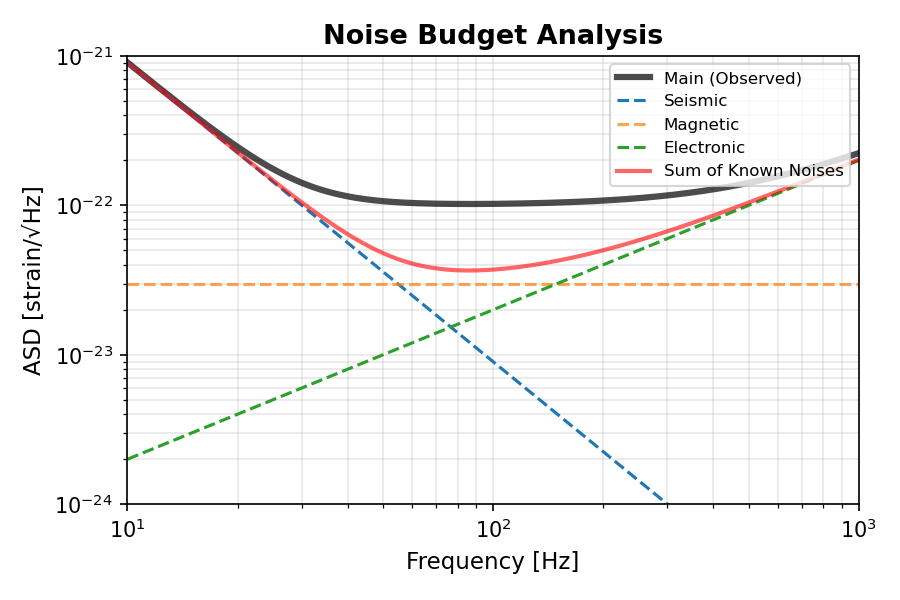
Noise Budget
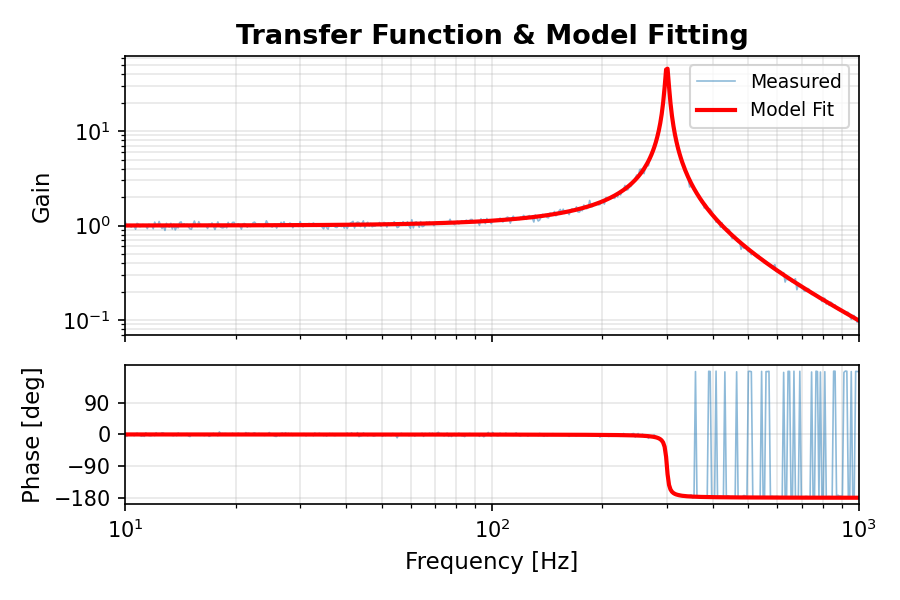
Transfer Function Estimation
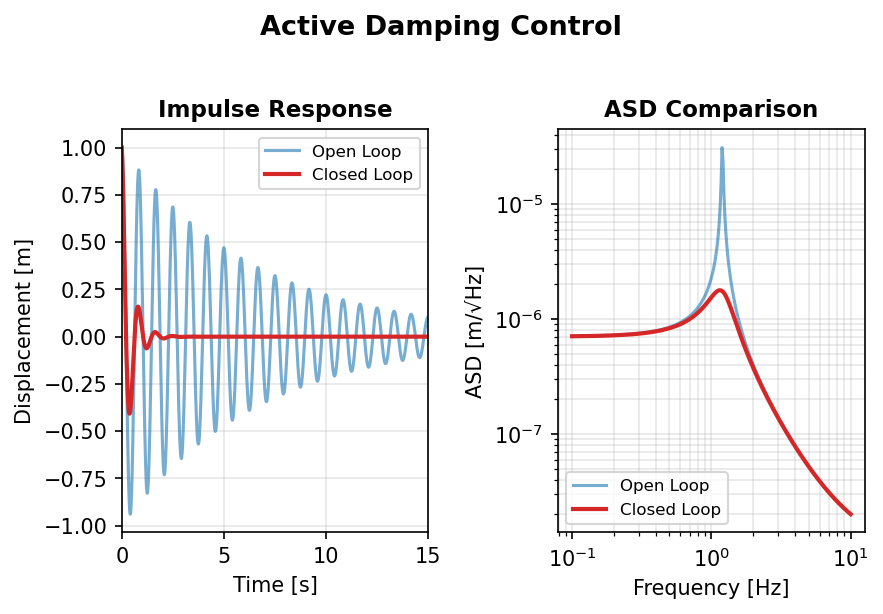
Active Damping
Learn the basics of GWpy
GWexpy is built on top of GWpy. For GWpy fundamentals, see the official docs:
Suggested starting points
Run code immediately: Quickstart
Choose a learning path: Getting Started
Review shared assumptions first: Prerequisites and Conventions
📖 Guide
- Prerequisites and Conventions
- Interop / Conversion Guide
- Direct I/O Names
- At a Glance
- Jump Links
- How to Read This Page
- Status Labels
- Optional Dependency Policy
- A. Storage Formats and Container Conversion
- B. Analysis Library and Object Conversion
- C. Machine Learning, Acceleration, and Array Backends
- D. Physics and Domain-Specific Libraries
- What to Prioritize First
- Related Pages
- Next to Read
- GPS Time Utility Functions (
gwexpy.time) - Numerical Stability and Precision
- Scalar Field Slicing Guide (Why 4D is Preserved)
- Migration Guide for GWpy Users
- What to lock in first
- Where migration usually pays off first
- Recipe 1: Move manual
TimeSeriesDictloops towardTimeSeriesMatrix - Recipe 2: Pull external function calls back onto the data object
- Recipe 3: Single-channel code often does not need a full rewrite
- Recipe 4: Group
ScalarFieldobjects withFieldList/FieldDict - Recipe 5: Read Pickle sharing in terms of compatibility
- Recipe 6: Bridge to python-control
- Treat direct I/O and external-library conversion as separate guides
- Next Steps
- GWpy Difference API Index
🗂 Formats & I/O
- File I/O Supported Formats Guide
- At a Glance
- First: Decision Rules
- Jump Links
- Quick Selection Table
- Basic
.read()/.write()/fetch()Usage - Supported Classes at a Glance
- Optional Dependency Matrix
- A. GW Standards
- B. Seismic and Geophysical Observation
- C. General Analysis and Exchange
- D. Loggers and Instrument Formats
- Developer Notes
- Related Pages
- Next to Read
- Page-End Navigation
📚 Reference